
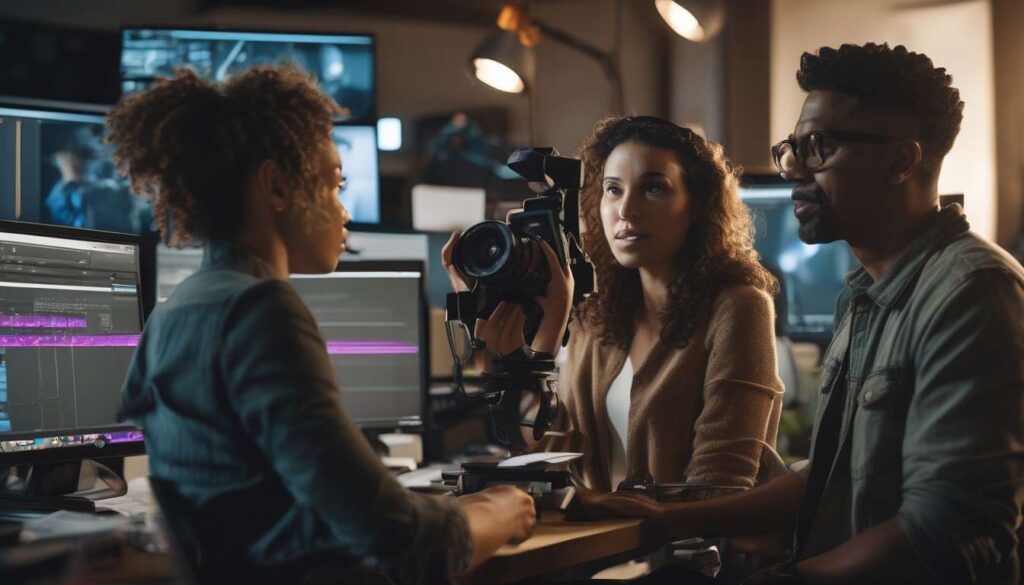
Plunged into a 40% annual growth rate, we recognize how quickly adult images production culture is reshaping professional norms.
We examine how operational training—structured, repeatable, and safety-focused—becomes the backbone of sustainable practices in an industry often depicted as informal or ad hoc.
We have observed performers, technicians, and producers adopting standardized workflows that reduce risk, improve consent communication, and enhance technical quality, creating a shared language across diverse sets.
We ask how institutionalizing skills like version control for content, on-set hygiene protocols, and negotiated scene documentation can professionalize interactions without sanitizing creative agency.
We situate training as both a protective mechanism and an efficiency multiplier: when crews are trained in clear role delineation, incident response, and ethical documentation, production scales more reliably and participants retain greater autonomy.
We argue that operational training supports a culture where safety, artistry, and accountability coexist, reframing how adult content is produced and experienced.
Industry Context and Growth
We see the adult-image production sector expanding rapidly, driven by streaming platforms, niche marketplaces, and global demand for diverse content.
We feel a shared responsibility as we navigate this growth, knowing clear consent protocols must anchor every interaction; they let contributors trust the process and belong.
We prioritize production standards that ensure fairness, consistency, and respect across shoots, and we build communities around those standards so no one’s left isolated.
We insist on robust health and safety measures — regular testing, mental health resources, and on-set procedures — that protect bodies and well-being while reinforcing mutual care.
As teams scale, we’re committed to training that turns guidelines into everyday practice, so everyone knows their role and feels supported.
By centering consent protocols, production standards, and health and safety from the start, we create a culture where creators, technicians, and audiences coexist with dignity.
That shared culture strengthens our industry and invites more people to participate with confidence.
Defining Operational Training
Operational training defines the practical skills, decision-making processes, and on-set behaviors we teach so every team member can perform competently, ethically, and safely.
We focus on clear expectations: what roles do, how we apply production standards, and which routines preserve professionalism.
Training is modular and role-specific: technical crews, performers, and support staff all receive instruction that builds shared vocabulary and predictable responses.
Escalation and accountability are outlined so everyone knows when to escalate issues and who’s accountable. We embed consent protocols into workflows while ensuring these do not substitute for interpersonal communication.
Practical exercises and scenario-based drills reinforce rapid, respectful decision-making under pressure. These drills make expectations concrete and actionable.
Tools and measurable outcomes include:
- Checklists
- Briefing templates
- Measurable competencies
These tools ensure everyone knows when they’re meeting health and safety requirements and when to pause for review.
Standardized procedures reduce ambiguity and foster mutual trust. Belonging grows when people see that systems protect them and their colleagues.
Operational training is a living practice, not an abstract policy book. It keeps our community aligned, competent, and cared for.
Consent and Communication Protocols
We establish clear, verbal and documented communication steps so everyone can give, withhold, or revisit consent confidently and without pressure.
We create consent protocols that are straightforward, revisitable, and embedded in our production standards so crew and performers feel seen and supported.
We insist on verbal confirmation before any scene, written acknowledgment of agreed boundaries, and easy mechanisms to pause or stop activity without stigma.
We keep lines of communication open before, during, and after shoots, using designated advocates who can intervene if someone feels unsafe.
We train teams in active listening, nonjudgmental responses, and de-escalation, reinforcing that everyone’s voice matters.
We include briefings on health and safety, access to medical or counseling resources, and clear reporting pathways for concerns.
We commit to regular reviews of consent protocols with all participants, treating feedback as essential to culture-building.
By normalizing consent conversations and practical safeguards, we strengthen trust, belonging, and the shared responsibility for respectful, safe production environments.
Technical Standards and Quality
We define clear technical specifications and quality benchmarks for equipment, capture, editing, and delivery so every team member knows the measurable standards we must meet.
We create checklists that link production standards to consent protocols, ensuring recorded permissions, metadata, and version control are consistently documented.
We calibrate cameras, lighting, and audio to repeatable settings and log results so everyone can reproduce approved looks and finishes.
We standardize file formats, naming conventions, and backup routines to reduce friction and honor agreed terms.
We run regular quality reviews with crew members, inviting feedback and shared responsibility for image integrity and respectful representation.
We set objective criteria for color fidelity, exposure, audio clarity, and edit continuity, and we score sessions against those metrics.
We train teams on troubleshooting common issues and on escalating technical concerns without assigning blame.
We foster belonging by acknowledging contributions, celebrating adherence to standards, and offering clear remediation pathways that keep practices aligned with consent protocols and production standards while respecting health and safety considerations.
Health and Safety Procedures
We establish clear health and safety procedures that protect crew and performers, detail emergency responses, and outline required training and PPE for every shoot.
We make health and safety a shared value, so everyone knows the steps for safe working, how to access first aid, and who leads incident response.
Our consent protocols are integrated into safety briefings, ensuring performers can halt activity and request support without stigma.
We align procedures with production standards so each set follows consistent checks:
- Venue hazards
- Equipment safety
- Hygiene
- COVID-era precautions (when relevant)
We require role-specific training and documented competency for high-risk tasks:
- Rigging
- Lighting
- Intimate choreography
We provide appropriate PPE for all tasks.
We run regular drills, review near-misses, and update practices collaboratively, inviting feedback from crew and performers.
By embedding these measures into daily routines, we build trust, reduce risk, and reinforce that everyone’s wellbeing is central to our work and culture.
Documentation and Version Control
We keep clear, versioned documentation for scripts, shot lists, consent forms, and technical logs.
- This ensures everyone can find the current materials, track changes, and restore past versions when needed.
- We maintain change logs that show who made edits, why, and when — helping uphold production standards and showing respect for contributors’ work.
We centralize files in a secure repository with role-based access.
- This protects consent protocols and other sensitive records while keeping them reachable to authorized team members.
We use standardized templates and naming conventions.
- Standardization helps people feel included and confident they’re following the same process.
- When templates change, we run brief walkthroughs so everyone can ask questions and suggest improvements.
We schedule regular audits to reconcile documents with on-set practice.
- Audits ensure health and safety updates are incorporated promptly.
We back up archives and retain historical versions for compliance and learning.
- Retention policies are kept transparent so team members know how long records persist and why.
Role Clarity and Team Dynamics
We define clear roles and communication channels so every team member knows responsibilities, decision paths, and who to turn to when issues arise.
We build schedules and checklists that tie individual tasks to shared goals, so everyone feels seen and valued.
We align role descriptions with consent protocols, production standards, and health and safety requirements, and we review them together to keep expectations current.
We foster regular briefings where crew and talent can raise concerns without judgment, and we assign a designated point person for immediate support.
We encourage cross-training so people can step in when needed, which strengthens trust and reduces pressure during shoots.
We use concise escalation pathways for conflicts or boundary questions, ensuring prompt resolution and transparent follow-up.
We document adjustments to roles and circulate updates, so no one’s left guessing.
We commit to fair workload distribution, recognize contributions publicly, and create rituals that reinforce belonging while maintaining the professionalism required by our consent protocols, production standards, and health and safety obligations.
Scaling Ethical Practices
As we grow, we’ll standardize scalable safeguards and training so ethical practices stay consistent across projects, teams, and locations.
We’ll build clear consent protocols that everyone understands and can apply, so participants feel respected and included.
We’ll document production standards in accessible formats, giving each team the same baseline for decision-making while allowing room for local context.
We’ll train together on health and safety procedures, ensuring physical and emotional well-being are never optional.
We’ll create shared feedback loops and metrics that measure compliance and culture, using audits and peer reviews rather than top-down policing.
We’ll mentor new members through shadowing and scenario-based exercises, so standards aren’t just words but habits.
We’ll make reporting simple and supportive, protecting confidentiality and preventing retaliation.
We’ll celebrate teams that model best practices and iterate when gaps appear.
By committing to these practical, scalable steps, we’ll keep our community cohesive, accountable, and centered on dignity for everyone involved.
How do independent contractors protect their intellectual property when contributing creative ideas during operational training sessions?
Independent contractors can protect their intellectual property when sharing creative ideas during training sessions by taking several practical steps.
Document contributions clearly. Keep dated, time-stamped records of your ideas and materials (for example, emails, drafts, or recorded presentations) so you can prove when and what you contributed.
Use written agreements. Before sessions, ask for written agreements or NDAs that define confidentiality and ownership expectations. Specify what may and may not be shared or used outside the session.
Mark materials with ownership notices. Add clear copyright or ownership statements on slides, handouts, and files to signal your rights and discourage unauthorized use.
Request limited licenses. When sharing work, request a written license that limits how the host may use your ideas (for example, “for training use only,” non‑commercial, or time-limited).
Register intellectual property when possible. For inventions, designs, or works eligible for formal registration, file for patents, copyrights, or design registrations to strengthen legal protection.
Keep time-stamped records. Maintain contemporaneous logs, version histories, and backups (with timestamps) of materials shared and feedback received during sessions.
Negotiate compensation for use. If your ideas are likely to be used beyond the session, negotiate payment, royalties, or credit in writing before sharing.
Seek legal counsel for disputes. If ownership or misuse becomes an issue, consult an attorney experienced in IP and contract law to explore remedies and enforce your rights.
Combining these steps helps independent contractors feel respected and secure in collaborative training environments while reducing the risk of unauthorized use of their creative work.
What are recommended dispute-resolution steps if a performer or crew member feels their boundaries were violated after a scene has already been filmed?
We’re sorry this happened and we’re here to help.
First, we’ll document the concern clearly and collect evidence.
- Messages
- Timestamps
- Witness statements
Next, we’ll raise the issue with production leadership and request a prompt, confidential review.
If needed, we’ll pursue further actions.
- Seek mediation or an independent investigator.
- Pursue contractual remedies or insurance claims.
- Involve legal counsel or labor authorities.
Throughout, we’ll prioritize safety, support resources, and transparent communication.
How should payments, bonuses, or profit-sharing be transparently handled when operational training leads directly to new recurring content formats or revenue streams?
Establish clear, written guidelines for payments, bonuses, and profit-sharing.
- Define the exact formulas and methods used to calculate payments, bonuses, and profit shares so everyone understands what to expect.
Specify eligibility, timing, and audit access.
- List criteria for who qualifies for each type of payment or share.
- State payment schedules and timing (e.g., monthly, quarterly).
- Provide access to audits or verification processes and name who can request them.
Use transparent ledgers or reports for verifiable results.
- Maintain accessible records or ledgers showing calculations and distributions.
- Make reports available to relevant parties on a regular basis.
Commit to regular reviews and equitable splits reflecting contributions.
- Schedule periodic reviews of formulas and outcomes.
- Define how contributions are assessed and how splits are adjusted to reflect actual input.
Create straightforward dispute resolution processes.
- Document steps for raising, reviewing, and resolving disputes.
- Assign responsible parties and timelines for resolution.
Invite feedback and adjust terms collaboratively.
- Encourage stakeholder input before and during implementation.
- Use a collaborative process to revise terms when needed.
Require signed agreements before launching new recurring content or revenue streams.
- Ensure all parties sign the written terms prior to starting any new ongoing content or revenue-generating activities.
Conclusion
You’ll leave this operational training framework equipped to produce adult images responsibly and professionally.
By prioritizing clear consent, robust communication, and technical standards, you’ll protect participants’ health, safety, and dignity.
You’ll use documented procedures, version control, and role clarity to reduce risk and scale ethical practices as your work grows.
Keep reviewing and updating protocols so your production culture stays compliant, respectful, and adaptable to new legal, technological, and ethical challenges.